




The Tactical Trap of Microsoft Access: Why Your Enterprise Needs a Strategic Database Modernization Program Using the 7 Circles of Excellence
By Sasha Froyland, Help4Access
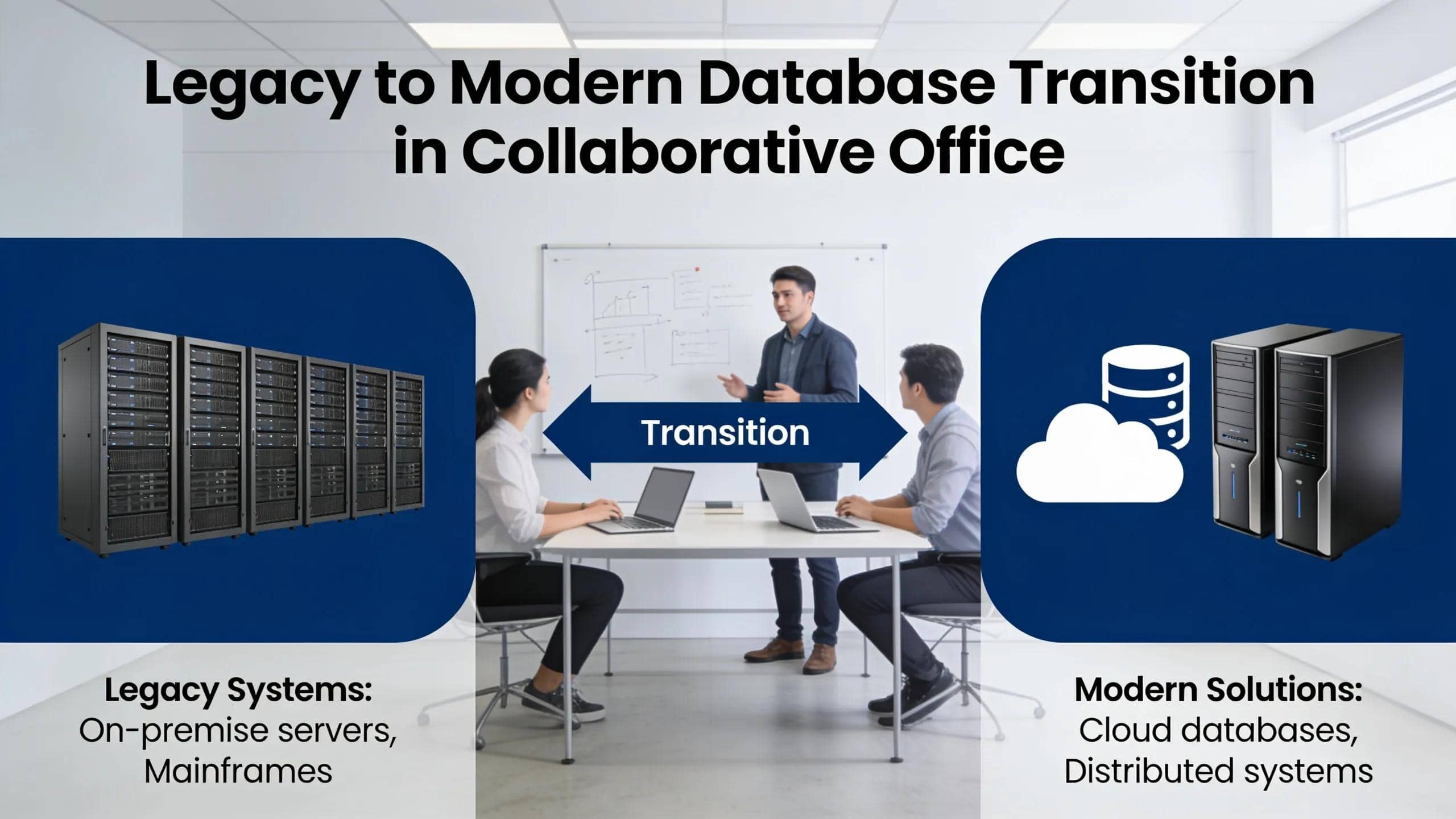
In today’s fast-paced business environment, many enterprises find themselves trapped in the cycle of relying on legacy systems like Microsoft Access. These systems may have once been sufficient, but as organizations grow and their data needs become more complex, the limitations of such systems can lead to inefficiencies and increased risks. This article explores the significance of a strategic modernization program, specifically the “7 Circles of Excellence,” to transform legacy database systems into agile solutions that meet contemporary business demands. Readers will learn about the inherent risks of maintaining outdated systems, the benefits of modernization, and how to implement a strategic framework for migration that aligns with their goals. The discussion also highlights practical steps enterprises can take to navigate the challenges of modernizing their databases effectively.
The 7 Circles of Excellence:
The 7 Circles of Excellence offers a strategic framework for organizations aiming to modernize their database systems. This framework emphasizes elements such as strategic alignment, portfolio discovery, and risk-mitigated architecture, vital for ensuring a smooth transition from legacy systems. By utilizing this model, enterprises can analyze their current systems comprehensively and develop a roadmap for successful modernization. The circles encompass various stages, each designed to address specific challenges inherent in legacy systems while maximizing benefits through innovative solutions.
Risks of Maintaining Legacy Microsoft Access Systems:
Maintaining legacy Microsoft Access systems poses considerable risks, particularly regarding operational reliability, data security, and increased technical debt. These systems often struggle with scalability, which can hinder growth and lead to performance bottlenecks. Additionally, legacy systems are frequently vulnerable to security threats, posing significant risks for sensitive business information. Organizations that continue to rely on these outdated systems may also experience rising costs due to inefficient processes and necessary workarounds that diminish productivity. Understanding these risks is crucial for businesses considering modernization strategies to avoid potential pitfalls.
Modernizing legacy systems is imperative for organizational viability.
Survey of Legacy System Modernization Approaches
Although these systems must be updated continuously to reflect evolving business practices, repeated modification has a cumulative effect on system complexity, and the rapid evolution of technology quickly renders existing technologies obsolete. Eventually, the existing information systems become too fragile to modify and too important to discard. However, organizations must consider modernizing these legacy systems to remain viable.
A survey of legacy system modernization approaches, RC Seacord, 2000
Benefits of Modernization:
Modernizing from legacy systems like Microsoft Access can yield numerous benefits that directly impact business efficiency and agility:
- Improved Reliability and Performance: Modern systems ensure faster processing times and reduced downtime, ultimately enhancing overall productivity.
- Enhanced Security: Updated systems utilize the latest security measures, reducing vulnerabilities and protecting critical business data.
- Scalability: Newer database architectures allow for easy scalability to accommodate future growth, enabling organizations to adapt to changing market demands seamlessly.
Organizations investing in modernization could witness a substantial return on investment (ROI) through enhanced operational capabilities and reduced risks.
For enterprises looking to upgrade their legacy Microsoft Access systems, Help4Access specializes in providing tailored modernization solutions that empower organizations to transition effectively. Their services focus on crafting strategic migration programs that align with the unique needs of each business, facilitating a smoother modernization experience.
How Does the 7 Circles of Excellence Framework Define a Strategic Modernization Program?
The 7 Circles of Excellence framework defines a strategic modernization program as a comprehensive roadmap that guides organizations through the complexities of transitioning from legacy systems to modern solutions. This framework emphasizes the importance of aligning modernization initiatives with organizational goals to ensure that the migration process supports overall business strategies rather than detracting from them. It provides a structured approach to assessing current systems, identifying areas for improvement, and establishing metrics for success throughout the modernization journey. By employing this framework, businesses can prioritize risk mitigation, ensuring that potential hurdles are anticipated and addressed effectively.
What Are the Core Components of the 7 Circles Methodology?
The core components of the 7 Circles methodology involve several key elements essential for successful database modernization. These include:
- Strategic Alignment: Ensuring modernization efforts are in sync with business objectives.
- Risk Mitigation: Exploring potential risks associated with migration and planning strategies to minimize their impact.
- Phased Execution: Implementing modernization in incremental steps allows for continuous assessment and adjustment.
These components work collectively to enhance the likelihood of successful database migration and establish a sustainable modernization strategy without overwhelming the organization.
How Does This Framework Address Common Access Database Modernization Challenges?
The 7 Circles of Excellence framework addresses common challenges faced during Microsoft Access database modernization through a structured approach that identifies migration risks and provides solutions. It empowers organizations to adapt to their specific needs and frameworks, ensuring that the transition is both smooth and efficient. By providing tools and methodologies for handling complexities, the framework allows businesses to establish strategic approaches that resonate with their operational realities, ultimately improving the chances of a successful migration.
What Are Best Practices for Enterprise Database Migration Strategy to Modern Platforms?
When migrating to modern platforms, enterprises should consider the following best practices:
- Incremental Modernization: Breaking down the migration process into manageable phases helps to minimize errors and ensure that each stage of the transition is successful.
- Discovery and Assessment: Conducting thorough evaluations of existing systems is crucial for understanding what to retain, improve, or replace during the modernization process.
- Change Management: Effectively managing change within the organization ensures that employees are prepared for the transition and equipped with the necessary training and support.
Applying these best practices significantly enhances the migration experience, paving the way for sustained success.
For businesses prioritizing a successful transition, Help4Access offers consultation and support throughout the migration process. Their expertise in database modernization can guide organizations in implementing best practices tailored to their specific use cases and operational needs.
Which Steps Ensure Secure and Scalable Migration Beyond Tactical Fixes?
Ensuring secure and scalable migration requires a strategic framework that incorporates the following steps:
- Discovery & Assessment: Evaluating existing infrastructure and data requirements to inform modernization plans.
- Risk-Mitigated Approach: Employing strategies to identify and address potential security threats throughout the migration process.
- Phased Migration: Implementing the transition in phases allows for testing and validation at each stage, ensuring reliability and security.
By following these steps, organizations can navigate the migration journey more effectively, reducing downtime and protecting sensitive information.
How Can Organizations Align Modernization Roadmaps with Business Objectives?
Aligning modernization roadmaps with business objectives is critical for ensuring that technical updates support broader strategic goals. Organizations can achieve this alignment by:
- Understanding Business Needs: Analyzing current and future business requirements helps shape the modernization strategy.
- Risk Assessment: Identifying potential risks associated with the new systems and ensuring appropriate measures are in place helps secure the migration.
- Governance Compliance: Ensuring adherence to industry regulations and standards during the transition guarantees the integrity and reliability of data management.
Effective alignment between modernization efforts and business ambitions can facilitate growth and improve the organization’s operational capabilities.
How Do Strategic Enterprise Data Programs Deliver Superior ROI Compared to Tactical Approaches?
Strategic enterprise data programs deliver superior ROI through comprehensive planning and execution, unlike tactical approaches that may yield short-term gains but fail to support long-term objectives. The advantages of a strategic program include:
- Portfolio-scale Execution: Ensuring all aspects of the organization benefit from modernization efforts promotes consistent improvement across departments.
- 7 Circles as Methodology: Structured methodologies facilitate smoother transitions, minimizing disruptions and enhancing overall performance.
- Long-term Benefits: Strategic investments in data programs yield sustainable advantages, enabling organizations to remain competitive in the market.
By adopting a long-term focus, businesses can maximize their investments and enable sustained growth.
What Metrics Demonstrate the Business Benefits of Programmatic Modernization?
To assess the business benefits of programmatic modernization effectively, the following metrics can be utilized:
- Time Savings: Reduced processing times through streamlined operations indicate efficiency improvements.
- Error Reduction: Fewer errors in data handling and processing highlight enhanced reliability and user trust.
- Workflow Efficiency: Increased productivity within existing teams signifies successful modernization impacts.
These metrics provide quantifiable insights that guide future improvements and validate modernization investments.
How Does Ongoing Support and Consultation Enhance Modernization Outcomes?
Ongoing support and consultation are crucial components that enhance modernization outcomes by providing businesses with:
- Dedicated Expert Consultation: Continuous access to specialists enables organizations to address challenges promptly.
- Ongoing Monitoring: Regular assessments of system performance help organizations identify areas for improvement.
- Support and Governance: Ensuring compliance with industry regulations and standards throughout the lifecycle of the modernization solution mitigates risks.
By maintaining a support structure, organizations can ensure that their modernized systems continue to meet evolving business needs.
What Case Studies Illustrate Successful Legacy Microsoft Access Modernization Using 7 Circles?
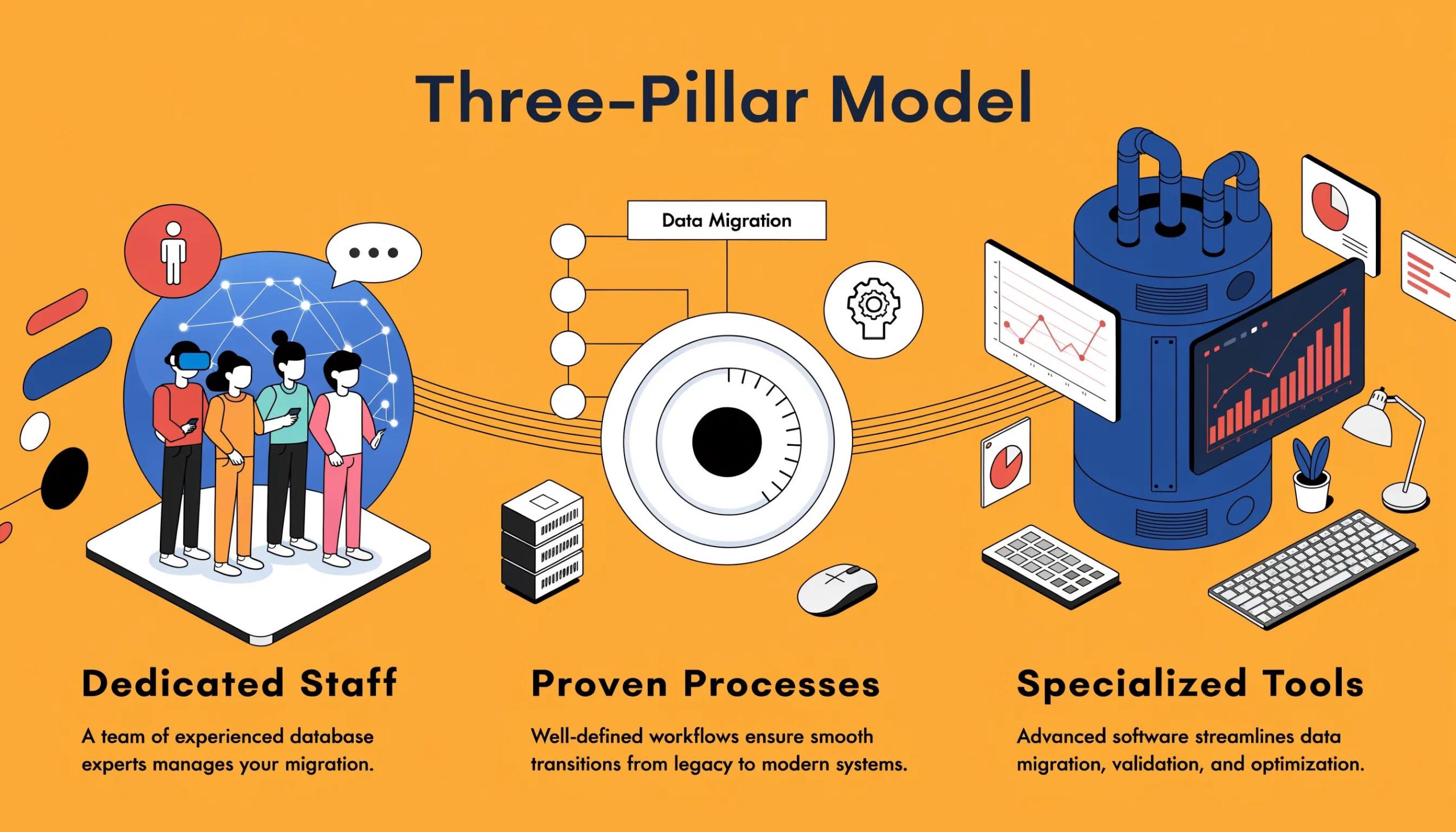
Examining case studies showcases real-world successes achieved through legacy Microsoft Access modernization efforts using the 7 Circles framework. These case studies demonstrate:
- Client Success Stories: Organizations that transitioned effectively highlight the advantages of strategic modernization initiatives.
- Demonstrated ROI: Evidence of tangible benefits reinforces the value of investing in structured modernization programs.
- Effectiveness of Framework: Results indicating performance improvements further validate the effectiveness of the 7 Circles methodology in practical applications.
These insights can serve as benchmarks for other organizations considering similar modernization efforts.
Which Enterprise Scenarios Showcase Overcoming Migration Risks and Challenges?
Specific enterprise scenarios can illustrate how organizations have successfully navigated migration risks and challenges. Common scenarios include:
- Real-life Migration Examples: Businesses that faced significant operational hurdles during migration but overcame them by adopting strategic frameworks.
- Effective Risk Management: Highlighting approaches taken to mitigate potential disruptions during the transition period.
- Successful Transition Plans: Detailing comprehensive migration strategies that resulted in seamless transitions and business continuity.
These scenarios provide valuable lessons that can inform future modernization planning.
How Have Clients Achieved Scalable, Secure Systems Through Help4Access Programs?
Clients utilizing Help4Access programs have successfully achieved scalable and secure systems through strategic modernization initiatives that focus on end-to-end solutions. These programs emphasize:
- Client Achievements: Highlighting successful transformation stories demonstrates the effectiveness of their approaches.
- Achieved Scalability: Implementing modern scalable solutions equips organizations to expand their operations while maintaining system integrity.
- Improved Security Posture: Ensuring data security through advanced systems design protects against evolving threats.
These outcomes further underscore the importance of expert guidance and tailored programs in the modernization process.
How Can Enterprises Choose the Right Modernization Path for Their Microsoft Access Environments?
Enterprises must consider several criteria when selecting the appropriate modernization path for their Microsoft Access environments:
- Assessment of Current Systems: A comprehensive evaluation of existing systems enables informed decision-making about modernization strategies.
- Business Needs Identification: Understanding organizational objectives helps in determining the required functionalities of new systems.
- Governance Checks: Ensuring compliance with data regulations and industry standards is critical for a successful modernization process.
By carefully selecting the right path, businesses can enhance their operational efficiency and ensure a successful transition to modern database systems.
What Criteria Distinguish Tactical Fixes from Strategic Modernization Programs?
Tactical fixes often provide immediate relief but may not address underlying issues, whereas strategic modernization programs focus on long-term solutions. The criteria that distinguish these approaches include:
- Scope of Approach: Tactical fixes typically target specific issues, while strategic programs encompass comprehensive system evaluation and enhancement.
- Long-Term vs Short-Term Benefits: Tactical solutions may deliver quick wins, but strategic programs are designed for sustained advantages over time.
- Risk Management Strategies: A strategic focus ensures that potential risks are identified and mitigated proactively.
Understanding these differences can help organizations make informed decisions regarding their modernization strategies.
Monolithic architectures can hinder innovation and increase operational complexity, making modernization essential for digital demands.
Strategic Framework for Legacy Application Transformation
Many enterprises still rely on legacy monolithic applications that were built years ago to support critical business operations. While these systems have been stable and reliable, they were not designed for today’s digital demands such as real-time data processing, rapid feature delivery, cloud scalability, and seamless integration with external platforms. As organizations adopt modern digital services, tightly coupled monolithic architectures often become difficult to maintain, scale, and evolve, slowing down innovation and increasing operational complexity.From Monolith to Ecosystem: A Strategic Framework for Legacy Application Transformation, 2026
How Does Help4Access Facilitate Personalized Discovery Calls to Tailor Migration Solutions?
Help4Access specializes in facilitating personalized discovery calls that allow businesses to discuss their unique challenges and aspirations regarding modernization. This tailored approach emphasizes:
- Discovery Process: Engaging with specialists to identify current needs helps shape a customized modernization strategy.
- Tailored Migration Plans: Creating a migration roadmap that aligns with business objectives ensures smoother transitions.
- Expert Consultation: Continuous support and expert guidance throughout the process empower organizations to achieve their desired modernization outcomes.
This personalized approach enables organizations to confidently navigate their modernization journeys, ensuring that their efforts are successfully aligned with business goals.