





Enterprise Microsoft Access Services & Support: Expert Solutions for Database Management and Business Efficiency
Enterprise Microsoft Access services and support are essential for companies relying on data management systems to streamline operations and enhance business efficiency. Such services encompass various aspects, from comprehensive maintenance solutions to advanced database migration and performance optimization strategies. In today’s digital era, organizations are increasingly challenged by complex data needs and compliance requirements, making effective database management more critical than ever. This article delves into the nuances of enterprise-level Microsoft Access services, illuminating how they facilitate seamless operations and the efficient handling of relational databases. We’ll explore core maintenance services, the significance of database migration to cloud environments, security measures, performance optimization techniques, ongoing support, and notable case studies showcasing successful implementations.
As organizations grapple with growing data complexities and strict compliance requirements, the need for robust data management becomes paramount.
Data Management & Compliance in the Digital Era
We live in a highly connected and complex world today. Digital technology as a change agent has enabled us to innovate faster and more cost-effectively to accomplish new goals and achieve new efficiencies. Innovations are no longer region- or country-centric; they are based on data and information from across the world. Innovation is dependent on data, and maintaining and managing that data securely is the responsibility of every citizen and organization. Connected devices and services have provided organizations with valuable data, creating new opportunities to personalize service and drive new business models. This growth is being driven by an ever-increasing number of sources, and the data being generated now is more complex than ever. In many cases, this data-collection process evolved over years across multiple IT systems with variable levels of security and compliance. The amount of electronic data being created by organizations is growing exponentially. Innovate while staying compliant, 2018
Expert Microsoft Access Services and Support by Help4Access
Comprehensive enterprise Microsoft Access database support services encompass a wide range of offerings designed to ensure seamless, efficient, and secure database operations crucial for business success. These services aim to optimize database performance, ensure data integrity, and provide customers with peace of mind in terms of data management. Organizations utilizing Microsoft Access often experience challenges related to data flow, integration, and system performance, which these support services can effectively address.
Which Core Maintenance and Troubleshooting Solutions Do We Provide?
Core maintenance and troubleshooting solutions play a vital role in mitigating potential issues that may jeopardize database performance. Key solutions include:
- Regular Backups: Ensures data security through consistent data recovery points to avoid loss during unforeseen events.
- Performance Monitoring: Continuous assessment of database performance metrics to identify slowdowns and optimize queries.
- Query Optimization: Enhancing the performance of database operations by restructuring and refining data queries to minimize execution time.
Implementing these maintenance solutions not only prevents data-related issues but also enhances overall business operations by increasing responsiveness and efficiency.
Optimizing database queries and overall performance is essential for long-term operational efficiency and responsiveness.
Database Performance Tuning & Query Optimization
Today, IT professionals are challenged with the task of ongoing improvements to achieve goals of businesses. Unfortunately, some factor/Resources, skill environment does not dynamically grow as fast as business needs. That sequence of events creates major obstacles for DB infrastructure, deployment, administration and maintenance. This paper discusses the performance issues, different bottlenecks such as CPU bottlenecks, Memory structures, Input output capacity issue, Database Design issues and Indexing issues. Also this paper address Tuning stages and how SQL queries can be optimized for better performance. Database performance tuning and query optimization, 2018
How Does Custom Access Database Development Address Unique Business Needs?

Custom Access database development addresses the unique business requirements of various organizations by providing tailored solutions that cater to specific operational demands. Each enterprise has its preferences and requirements; hence, a generic approach to database management may not suffice.
Custom solutions often include:
- Unique Reporting Mechanisms: Tailored reports that align with specific organizational goals and metrics.
- User-Friendly Interfaces: Custom-designed forms and dashboards that simplify user interaction and improve data access.
- Integrations with Other Software: Seamless integration with other business applications, enabling smooth data flow across systems.
These customized solutions significantly enhance operational efficiency by ensuring that all aspects of database management align with the organization’s objectives and user requirements.
How Do Enterprise Access Database Migration Solutions Enhance Cloud and Hybrid Environments?
Database migration solutions are pivotal for enterprises looking to leverage cloud and hybrid environments for their Microsoft Access databases. Migrating databases to the cloud provides advantages such as improved accessibility, scalability, and cost-effectiveness.
What Are Best Practices for Secure and Efficient Access Database Migration?
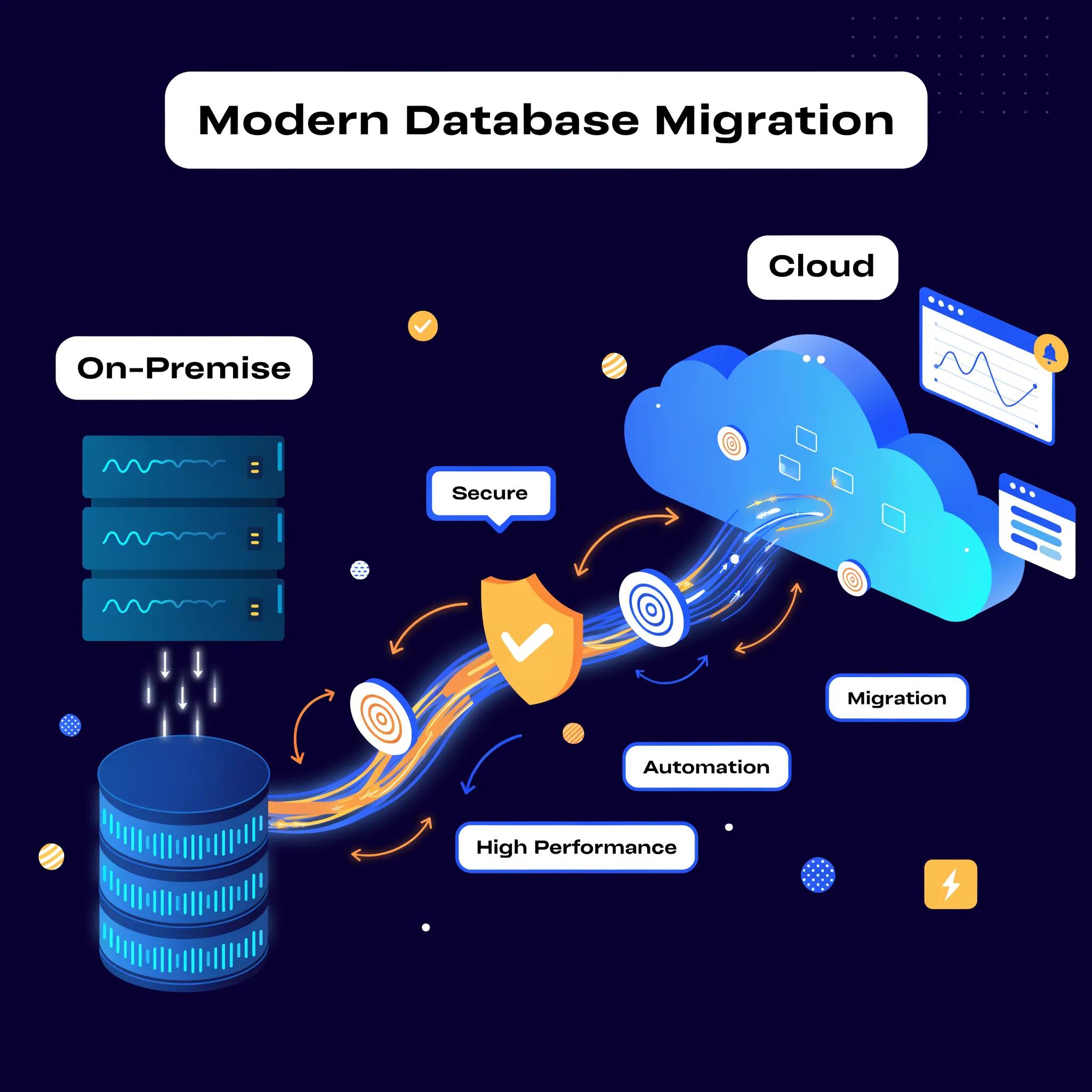
Implementing best practices for secure and efficient database migration ensures that the transition is smooth and reduces the risk of data loss or corruption. Essential best practices include:
- Pre-Migration Assessment: Evaluate current database configurations and identify what data needs migration.
- Security Protocols: Ensure data security throughout the migration process, including encryption and role-based access control.
- Testing and Validation: Conduct thorough testing post-migration to validate functionality and performance.
Following these best practices helps prevent disruptions and ensures that performance remains consistent post-migration.
How Is Microsoft Access Integrated with Leading Cloud Platforms Like Azure?
Microsoft Access can be effectively integrated with leading cloud platforms such as Azure, allowing companies to take advantage of advanced cloud capabilities. This integration provides several benefits:
- Scalability: Organizations can easily scale their database usage as resource demands fluctuate.
- Enhanced Collaboration: Multiple users can access and work on databases from various locations, fostering collaboration.
- Advanced Security Features: Cloud platforms offer additional layers of security to protect sensitive data.
The integration of Microsoft Access with cloud services not only boosts operational capabilities but also strengthens the overall security framework of data management practices.
What Are the Essential Security and Compliance Measures for Enterprise Access Databases?
For enterprise Access databases, security and compliance are critical elements that require thorough attention to protect sensitive information and adhere to regulatory requirements. Establishing robust security measures is vital in preventing unauthorized access and ensuring data integrity.
How Do We Implement Industry-Standard Database Security Protocols?
Implementing industry-standard database security protocols involves several strategies, including:
- Data Encryption: Utilizing encryption to protect data both during transmission and at rest ensures that sensitive information is safeguarded from unauthorized access.
- Access Controls: Applying strict user authentication and access level protocols limits who can view or manipulate data.
- Regular Audits: Conducting routine security audits helps in identifying vulnerabilities and rectifying them promptly.
These protocols establish a solid security framework, minimizing risks associated with data breaches.
Which Compliance Frameworks Are Supported in Enterprise Access Services?
Enterprise Access services support various compliance frameworks to address the specific regulatory obligations of businesses. Key compliance frameworks include:
- General Data Protection Regulation (GDPR): Ensures that companies handle personal data responsibly across the European Union.
- Health Insurance Portability and Accountability Act (HIPAA): Mandates strict regulations for healthcare-related data privacy and security.
- Payment Card Industry Data Security Standard (PCI DSS): Assures secure handling of credit card information.
Adhering to these frameworks helps organizations manage their data responsibly while avoiding legal repercussions.
How Does Performance Optimization Improve Enterprise Access Database Efficiency?
Optimizing the performance of Microsoft Access databases significantly enhances their operational efficiency, leading to better user experiences and improved productivity across the organization. Effective optimization techniques can alleviate common issues such as slow queries and data retrieval delays.
What Methods Are Employed to Monitor and Enhance Database Performance?
Several methods are utilized to monitor and enhance database performance, including:
- Performance Analytics: Utilizing tools to analyze query performance over time and identify bottlenecks.
- Indexing Techniques: Implementing indexing strategies to speed up data retrieval times.
- Regular Maintenance: Conducting routine database maintenance such as cleaning up orphaned records and removing outdated data.
By employing these methods, organizations can sustain high levels of database performance while fulfilling user requirements.
How Can Automation and Custom Workflows Streamline Business Processes?
Automation through custom workflows significantly streamlines business processes by minimizing manual inputs and enhancing overall efficiency. Key advantages include:
- Reduced Human Error: Automating repetitive tasks lowers the likelihood of data entry mistakes.
- Increased Productivity: Employees can focus on higher-value tasks rather than getting bogged down in mundane activities.
- Enhanced Process Transparency: Custom workflows provide clarity on procedural steps and data flow.
These streamlined processes result in optimized operations and improved service delivery across the organization.
What Ongoing Support and Maintenance Services Ensure Long-Term Access Database Success?
Ongoing support and maintenance services are crucial for ensuring the long-term success of Microsoft Access databases. Engaging in proactive support practices helps maintain databases, keeping them secure and performing efficiently.
How Is Proactive Monitoring and Issue Resolution Delivered?
Proactive monitoring and issue resolution can be delivered through:
- Automated Alerts: Setting up notifications for performance issues allows for quick responses before they affect user experience.
- Routine Check-Ups: Regular system reviews to ensure everything functions as intended and remains updated.
- Dedicated Support Teams: Ensuring access to expert support when complex issues arise guarantees timely resolutions.
These practices foster a stable database environment conducive to long-term business success.
What Are the Benefits of Regular Upgrades and System Audits?
Regular upgrades and system audits deliver several significant benefits, including:
- Enhanced Security: Keeping systems updated ensures they are equipped with the latest security patches.
- Improved Functionality: Upgrades often introduce new features that optimize database performance and user experience.
- Reduced Technical Debt: By regularly auditing systems, organizations can manage and eliminate potential performance hindrances.
Such proactive measures not only maintain but also enhance overall database functionalities over time.
What Enterprise Case Studies Demonstrate the Impact of Microsoft Access Services?
Examining enterprise case studies that demonstrate the impact of Microsoft Access services can provide valuable insights into the effectiveness and ROI of these solutions. These real-world examples illustrate how organizations have transformed their operations by leveraging advanced database management practices.
How Have Custom Access Solutions Delivered Tangible ROI for Clients?
Custom Access solutions have been shown to deliver tangible ROI for clients through:
- Cost Savings: Streamlining operations reduces labor costs and increases efficiency.
- Improved Decision-Making: Enhanced reporting features provide deeper insights that inform strategic business decisions.
- Increased Revenue: More efficient processes positively impact customer satisfaction, leading to higher sales.
These results highlight the significant financial benefits that can arise from investing in tailored solutions.
Which Migration Projects Showcase Best Practices and Innovations?
Several migration projects exemplify best practices and innovations in Microsoft Access services, demonstrating the strategic advantages of modernizing database systems. Key highlights include:
- Seamless Cloud Migration: Companies have successfully transitioned to cloud platforms, encountering fewer disruptions and extending their access capabilities.
- Integrated Solutions Development: Customized database solutions have effectively bridged data management gaps, enhancing organizational agility.
- User Adoption Strategies: Innovative training programs have facilitated smooth user transitions, maximizing the benefits of new systems.
These projects reinforce the value of strategic planning and execution in leveraging Microsoft Access for enterprise success.