




Modernizing Legacy Systems with AI-Driven Migration: Help4Access
By Sasha Froyland, Help4Access
In the modern landscape of enterprise technology, the migration of legacy databases to contemporary systems poses various challenges, highlighting the need for advanced solutions. Companies struggle with compatibility, data integrity, and downtime while transitioning their systems. To address these issues, artificial intelligence (AI) has emerged as a game-changer in data migration strategies. This article delves into the mechanisms through which AI tools revolutionize enterprise database migration, providing solutions to the complex challenges faced by organizations. We will explore the intensity of risks associated with traditional migration methods, how AI enhances consistency and integrity, and the transformative benefits of leveraging AI-driven technologies.
As we navigate through the complexities of modern data environments, we will touch upon practical steps organizations can take for successful implementation, including identifying best practices for minimizing downtime and ensuring a seamless transition. This comprehensive discussion will also include how Help4Access facilitates intelligent data migration, empowering businesses to modernize their operations efficiently.
What Challenges Do Enterprises Face in Legacy System Database Migration?
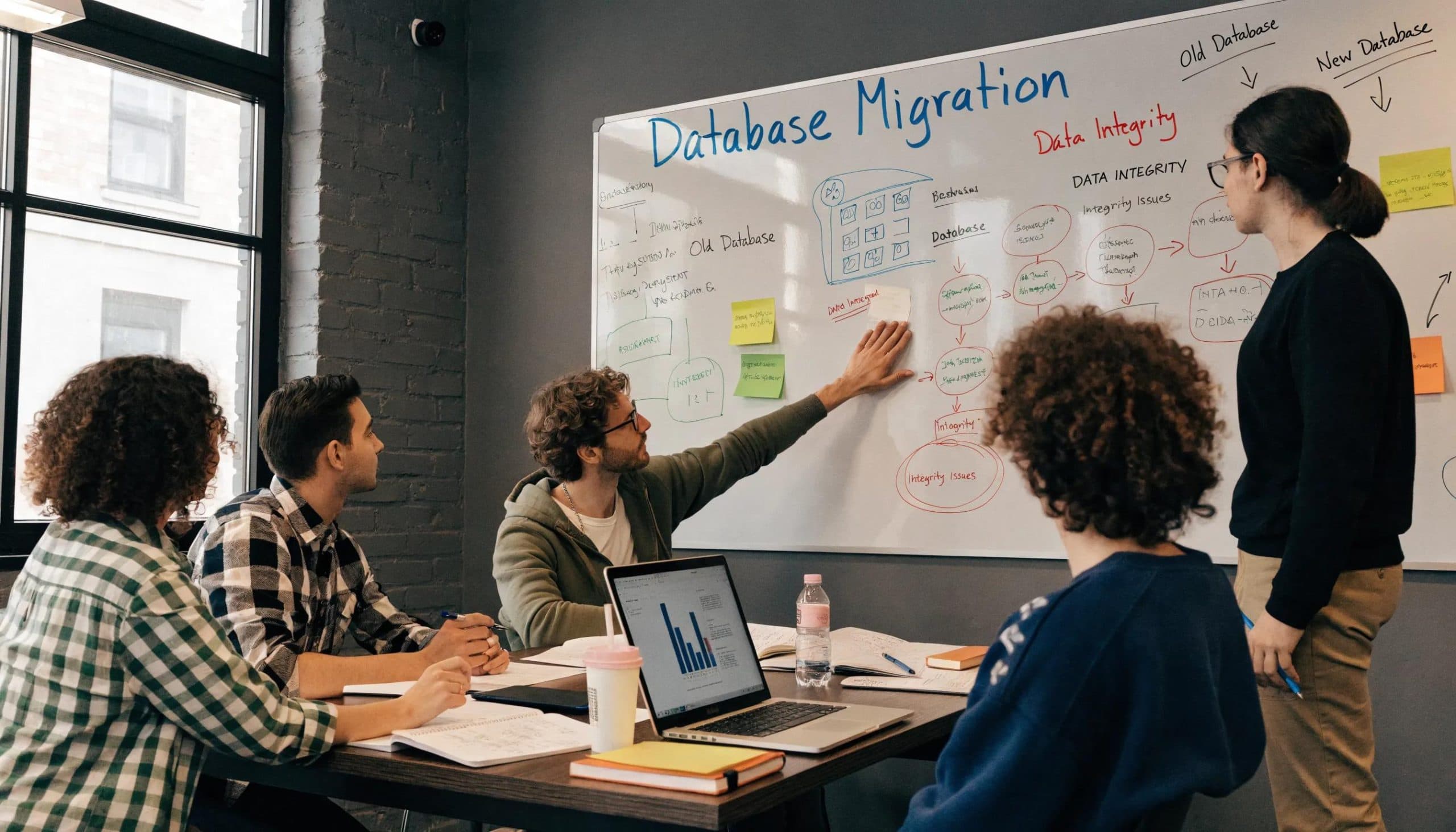
Enterprises migrating from legacy systems often encounter a multitude of obstacles that can impede progress and impact overall performance. Technological challenges, such as integration with newer software, inadequate performance capacity, and difficulties in ensuring data quality, frequently arise. Organizational challenges further complicate this process, often involving resistance to change from personnel accustomed to older systems. Additionally, procedural challenges related to risk management can disrupt migration efforts, necessitating meticulous planning and execution to ensure minimal disruption.
Addressing these challenges requires an understanding of the intricacies involved in legacy database migration. This leads to an exploration of how data consistency and integrity issues further complicate these migrations.
How Do Data Consistency and Integrity Issues Impede Migration Success?
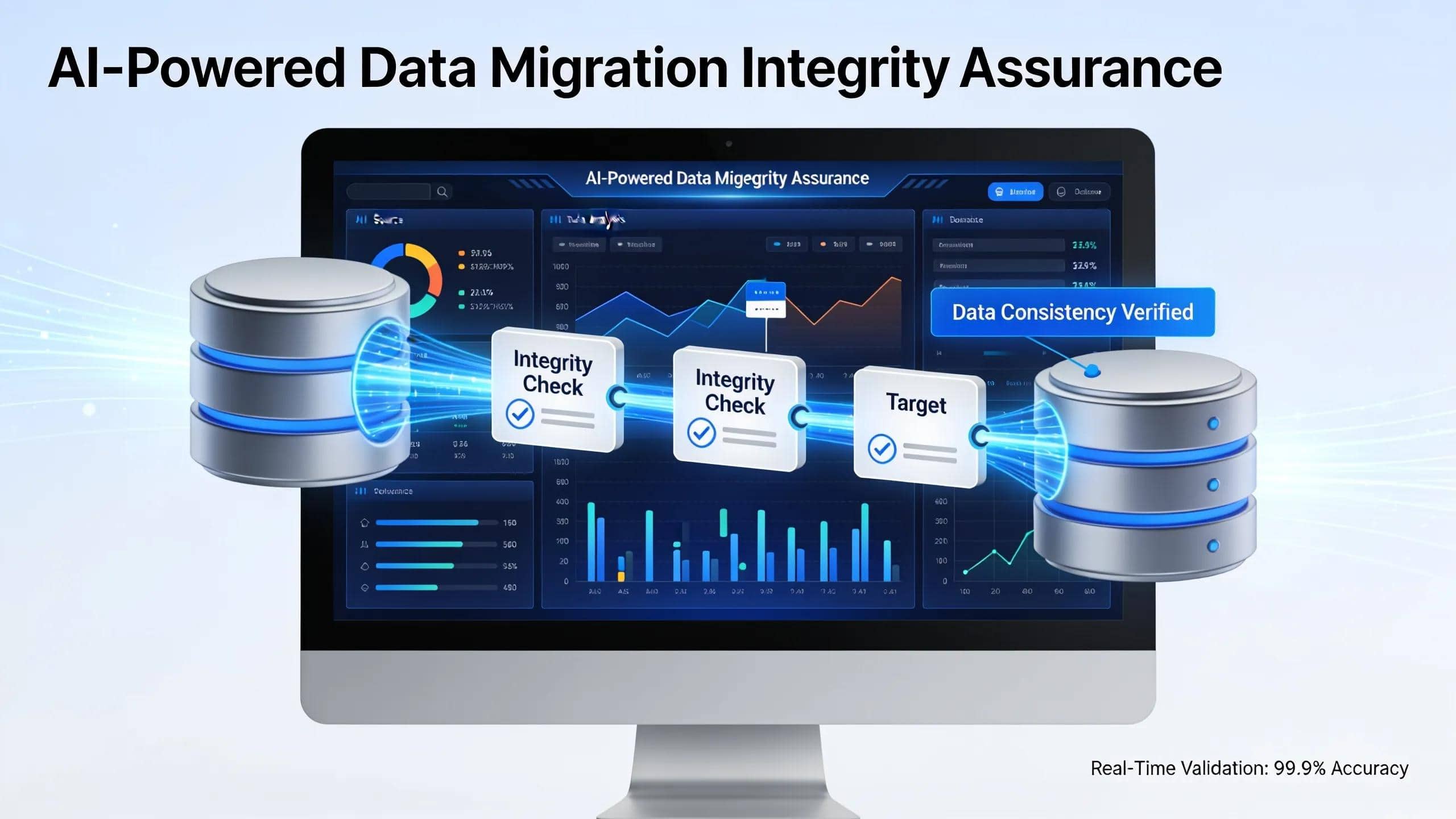
Data consistency and integrity are crucial in any successful migration strategy. Enterprises face significant corruption risks when dealing with legacy databases, where historical data may be disorganized or unverified. Dependencies between various data sets can lead to additional complications, especially if the data is not well documented or understood.
To mitigate these challenges, organizations must prioritize thorough documentation and gain a detailed understanding of their existing data landscape. The exploration of how AI technologies can enhance data integrity during migration becomes pertinent next, shedding light on the tools and methodologies available.
AI-Driven Data Migration: Intelligent Automation for Legacy Systems
AI-driven data migration is transforming the way organizations modernize legacy systems, offering intelligent automation, real-time error detection, and enhanced data integrity. This article explores how machine learning models automate complex processes such as data mapping, validation, and anomaly detection, enabling accurate and consistent data transformation. It highlights the role of adaptive algorithms and predictive analytics in identifying potential migration bottlenecks, optimizing resource allocation, and minimizing disruptions. AI-driven data migration: Intelligent, secure, and scalable approaches for modernization, 2023
What Risks and Downtime Are Common in Traditional Database Modernization?
When modernizing traditional databases, organizations often face two major components: risks associated with incomplete migrations and the resultant downtime during the transition. Inadequate planning can lead to extended periods where systems are offline, directly affecting business continuity. Understanding these downtime impacts is vital for strategizing effective migration approaches that minimize disruption.
The nature of the risks can be predefined and managed through careful assessment and the application of intelligent data migration technologies. The integration of AI in these migration strategies has proven beneficial, particularly in enhancing the effectiveness of the migration process as explored further below.
How Are AI Technologies Enhancing Intelligent Data Migration Platforms for Enterprises?
AI technologies are redefining how enterprises approach database migration through the adoption of intelligent data migration platforms. These platforms utilize AI-driven tools that provide not only speed but also enhance the overall quality of the migration process. Help4Access, a leader in this space, specializes in migrating and modernizing legacy Microsoft Access databases for enterprises, ensuring a seamless transition.
The proprietary tools offered by Help4Access include their Migration Tool™, designed specifically for risk assessment and integration with cloud platforms. By leveraging AI, these technologies enable businesses to streamline the migration process, integrating data from diverse and complex systems efficiently.
AI-Powered Cloud Migration: Enhancing Enterprise Modernization Strategies
This article examines the strategic integration of artificial intelligence technologies within cloud migration and modernization initiatives across enterprise environments. By analyzing current implementation patterns and emerging frameworks, we demonstrate how AI-driven tools significantly enhance migration assessment, planning, and execution processes while reducing operational overhead and technical debt. The article explores how machine learning algorithms optimize application portfolio analysis, dependency mapping, and resource allocation prediction, enabling organizations to overcome traditional migration barriers. AI-Powered Cloud Migration: Transforming Enterprise Modernization Strategies, 2025
Which AI-Driven Tools Accelerate and Secure Database Transformation?
AI-driven tools play a pivotal role in ensuring the efficiency and security of database transformation. Help4Access’s extensive suite includes features that emphasize automated risk assessment, which helps in identifying potential migration pitfalls before they manifest. Moreover, these tools facilitate smoother transitions by ensuring that all data is accurately migrated while adhering to security protocols, thus protecting sensitive information.
Additionally, the Proprietary Complexity Tool offered by Help4Access further enhances its capability to manage and simplify the complexities associated with legacy system migrations. With these advanced tools, enterprises can achieve a more reliable and rapid migration process.
How Does AI Reduce Migration Errors and Mitigate Business Risks?
AI’s impact on the migration process extends significantly into error reduction and diminishing business risks. Utilizing predictive analytics, AI can identify potential errors and risks in real-time, enabling companies to address them proactively rather than reactively. This ability to foresee and mitigate risks allows enterprises to manage their migrations more confidently and effectively.
For organizations keen on implementing robust migration strategies, leveraging AI’s capabilities far surpasses traditional methods, particularly in ensuring data integrity and continuity.
What Are the Measurable Benefits of AI-Powered Enterprise Database Modernization Solutions?
The benefits of employing AI-powered solutions in database modernization are numerous and substantial. By integrating AI tools, organizations can achieve:
- Cost Savings: Reduced manual effort and enhanced automation lead to significant savings in operational costs.
- Efficiency Improvements: The speed and accuracy offered by AI streamline the entire modernization process, enhancing productivity.
- Enhanced Data Integrity: With advanced tracking and validation, AI ensures that data remains error-free throughout the migration process.
These measurable advantages solidify the case for adopting AI technologies within enterprise modernization strategies. By understanding how AI can improve ROI through increased migration speed and accuracy, organizations can prepare for future growth.
How Does AI Improve ROI Through Increased Migration Speed and Accuracy?
AI capabilities enhance return on investment (ROI) during migrations significantly. By accelerating data transitions, organizations are less likely to incur excessive costs associated with extended downtime or disruption of services. Furthermore, the accuracy of data migration facilitated by AI minimizes the need for corrections post-migration, leading to faster realization of benefits.
This efficiency impacts organizational budgets positively and allows for resources to be allocated towards other strategic initiatives, improving overall business performance.
Which Business Processes Become More Efficient Post-Migration?
Post-migration, several business processes experience enhanced efficiency, paving the way for better operational performance. These improvements often include:
- Smoother Operations: Streamlined access to modern applications enhances day-to-day operations.
- Improved Data Accessibility: Data from various sources become more readily available, improving decision-making processes.
The transition to modernized systems also leads to elevated employee satisfaction as teams can leverage contemporary tools that facilitate more efficient workflows.
What Is the Step-by-Step Enterprise Database Migration Roadmap Using AI Tools?
To successfully execute a legacy database migration, companies should follow a strategic roadmap that incorporates AI tools at each stage of the process. Key steps include:
- Assessment: Analyze existing systems and data to identify migration needs.
- Planning: Develop a detailed migration plan outlining timelines and resource allocation.
- Execution: Implement the migration, utilizing AI tools to enhance accuracy and efficiency.
- Post-Migration Review: Conduct thorough checks to ensure data integrity and system functionality.
This structured approach to migration, aided by AI technologies, ensures that organizations can achieve seamless transitions with minimal risk and maximum benefit.
How Should Enterprises Plan and Execute AI-Enabled Legacy Access Database Migration?
Effective migration planning for legacy Access databases requires a framework that encompasses the following strategies:
- Execution Timelines: Set clear deadlines for each phase to maintain accountability.
- Stakeholder Involvement: Engage all key stakeholders in the planning process to ensure alignment on objectives and expectations.
- Training: Provide necessary training for staff to adapt to new systems smoothly.
Adhering to these guidelines promotes not only a successful migration but also fosters a culture of acceptance and proficiency among employees regarding new technologies.
Which Best Practices Ensure Seamless Transition and Minimal Downtime?
To achieve effective transitions with minimal downtime during database migrations, organizations should integrate several best practices:
- Thorough Testing: Perform extensive pre-migration testing to identify potential issues.
- Incremental Migration: Consider migrating data in phases to allow for adjustments and maintain continuity.
- Continuous Communication: Keep all stakeholders informed of progress and any potential disruptions to operations.
Employing these methods ensures that businesses can transition efficiently to modern systems while minimizing downtime and disruption.
How Do Case Studies Demonstrate Successful AI-Driven Legacy Access Migration for SMBs and Mid-Market Enterprises?
Numerous case studies illustrate the success of AI-driven legacy Access migrations, demonstrating tangible benefits for small and mid-sized businesses. For instance, companies have reported enhanced data management capabilities, reduced operational costs, and improved employee productivity after transitioning to AI-supported systems.
By analyzing specific case studies, organizations can extract lessons learned and apply those insights to their migration strategies, ensuring that they navigate the transition successfully.
What ROI Improvements Have Clients Experienced with AI-Powered Migration Services?
Clients utilizing AI-powered migration services have reported substantial ROI improvements. Key metrics indicating enhanced return include:
- Increased Speed to Market: Rapid transitions have allowed businesses to launch new initiatives faster.
- Reduced Costs: Clients have achieved significant reductions in operational costs following successful migrations.
These quantified benefits emphasize the importance of leveraging AI for strategic enterprise decisions.
Which Lessons Were Learned From Complex Enterprise Migrations?
Complex enterprise migrations impart valuable lessons regarding risk management and process optimization. Common challenges identified include:
- Anticipating Data Dependencies: Understanding the relationships between different data elements can mitigate downstream issues.
- Preparing for Scale: Ensuring that migration strategies are scalable will ease transitions for larger data sets.
- Change Management: Effectively managing personnel transitions is crucial for minimizing resistance and fostering acceptance of new systems.
Reflecting on these lessons can inform future migration efforts and enhance overall organizational readiness for change.
How to Choose the Right AI Database Migration Tools for Your Enterprise Modernization Project?
Selecting appropriate AI database migration tools is vital for optimizing modernization efforts. Organizations should consider:
- Compatibility with Legacy Systems: Ensure the chosen tools integrate well with existing databases.
- Scalability: Look for tools that can adapt to growing data requirements.
- Customer Support: Evaluate the level of support provided by vendors, as ongoing assistance is crucial during migrations.
These considerations will help enterprises align their migration strategies with the most effective technologies available.
What Criteria Differentiate Intelligent Data Migration Platforms?
When assessing various intelligent data migration platforms, key differentiators include:
- Automation Features: Degree of automation in the analysis and migration processes.
- Data Security Measures: Capabilities to safeguard sensitive information during migration.
- User Experience: The intuitiveness of the platform and ease of use across various business functions.
Understanding these criteria allows businesses to make informed decisions about the platforms that best fit their data migration needs.
How Do AI Capabilities Align with Specific Legacy System Modernization Needs?
AI capabilities resonate deeply within the framework of legacy system modernization. By addressing specific modernization needs through enhanced data handling, predictive analytics, and security protocols, organizations can ensure that their legacy systems transition effectively to the modern-day requirements.
With the right AI tools, businesses can not only meet their current needs but also prepare for future technological advancements, ensuring ongoing operational efficiency and relevance in an evolving market.